

Outpatient Surgery · Burlington, MA
Veterinary Outpatient Surgery at Valiant
Valiant Veterinary provides outpatient surgical care for dogs and cats in Burlington, Massachusetts, combining experienced veterinary care, modern anesthesia, patient monitoring, pain management, and thoughtful case selection.
Does your pet require a knee surgery? a mass removal? or a consult with a surgeon? We are here for you.
Advanced surgical appointments cannot be booked online.
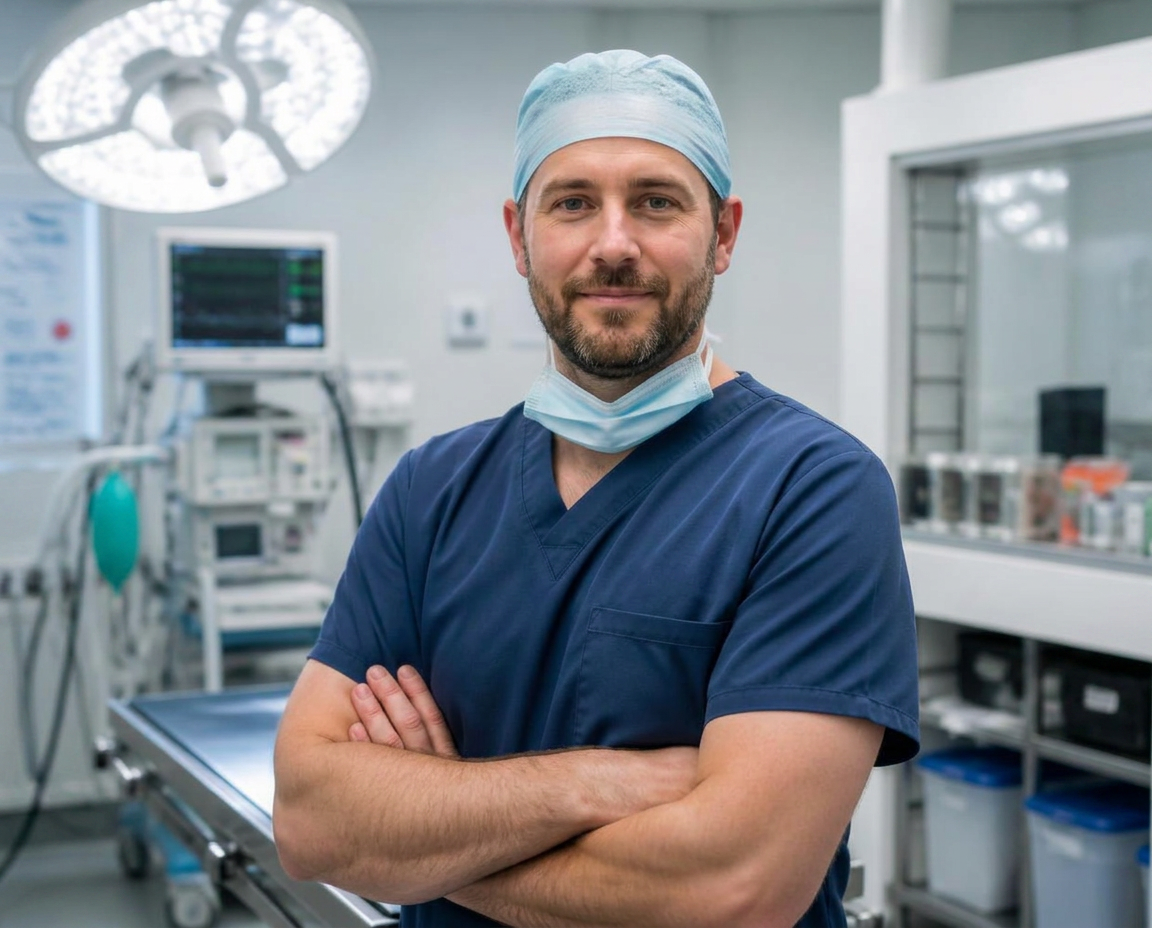
What We May Perform
Outpatient Surgical Procedures
Our surgical offerings are designed around procedures that can be safely performed in an outpatient environment.
Surgical Consults
- Orthopedic surgery
- Lameness evaluation
- Soft tissue surgery
- Tumor removal
Orthopedic Procedures
- Cruciate Ligament Injury (ACL injury)
- FHO (Femoral Head Ostectomy)
- Luxating Patella (dislocating kneecap)
- Amputations (limb, tail, toe)
Soft tissue surgery
- Mass removal
- Enucleation
- Anal sac removal
- Cherry Eye
- Reconstructive
- Urogenital
- Hernia repair
Abdominal Surgeries
- Cystotomy (bladder stone removal)
- GI foreign body obstruction
- Gastropexy +/- Spay
- Biopsies
Sedated procedures
- Procedures that require sedation for patient comfort, safety, or a thorough evaluation.
Additional outpatient procedures
- Other procedures determined to be appropriate for outpatient care after evaluation.
Whether a specific procedure is appropriate for your pet is determined after evaluation.
What Is Outpatient Surgery?
A common type of care in human medicine, outpatient surgery means a patient is evaluated, undergoes the planned procedure, recovers under veterinary supervision, and returns home when medically appropriate rather than remaining hospitalized overnight.
Whether outpatient surgery is appropriate depends on the patient, procedure, medical history, and appropriate post-op pain management.
Before Surgery
Planning Care Around Your Pet
Before a procedure, our team evaluates your pet and builds a plan suited to them. Depending on the patient and procedure, that planning may include:
- Medical history review
- Physical examination
- Performing required diagnostics (imaging, labs, etc)
- Individualized anesthesia planning
- Pain-management planning
- Discussion of expected recovery
Modern Anesthesia & Patient Monitoring
Every surgical patient receives an individualized anesthesia and monitoring plan based on their procedure, medical needs, and overall health.
Individualized anesthesia
An anesthesia plan is developed for each patient based on their procedure, health, and medical needs.
Patient monitoring
Patients are monitored by the veterinary team throughout the procedure.
Pain management
Pre- & Post-op pain management is planned as part of the procedure and continued into recovery and discharge.
Attentive recovery supervision
Patients recover under veterinary supervision until they are comfortable and stable.
Recovery & Going Home
After surgery, patients recover under veterinary supervision. When a pet is comfortable, stable, and medically ready to continue recovery at home, the team provides clear discharge instructions, medication guidance, and follow-up recommendations.
If a patient requires care beyond the outpatient setting, we recommend the most appropriate next step and help coordinate it.
When a Higher Level of Care Is Appropriate
Not every procedure or patient is best suited for outpatient surgery. If a pet would be better served by overnight hospitalization, advanced specialty care, or a different surgical setting, we'll explain why and help guide the next step.
Urgent Care & Surgery Work Together
Some surgical needs are identified during an urgent care visit. When a procedure can be safely performed in an outpatient setting, care can continue here.
Have Questions About Surgery?
Contact our team to discuss your pet’s needs and whether outpatient surgery may be appropriate.